Villa La Paz logo

--° F

--° F

Amenities & Services

<

InquireRed tile rooftops of Villa La Paz's white mission-style buildingsLong outdoor banquet table with taper candles, white florals, and cross-back chairs beside a stucco buildingRed tile rooftops of Villa La Paz's white mission-style buildingsExecutive Chef Jonathan Timbol plating a dish under copper heat lamps in the Villa La Paz kitchenLarge gray pine cone hanging among pine needlesHistoric photo of a speaker addressing a large crowd outside a tile-roofed building at La PazChef's hand spooning sauce over an artfully plated dishLarge gray pine cone on a pine branchVintage postcard of the Tehachapi Loop railway in Tehachapi Pass, CaliforniaAerial view of the Villa La Paz campus and oak-dotted grounds in Keene, California

Our Story

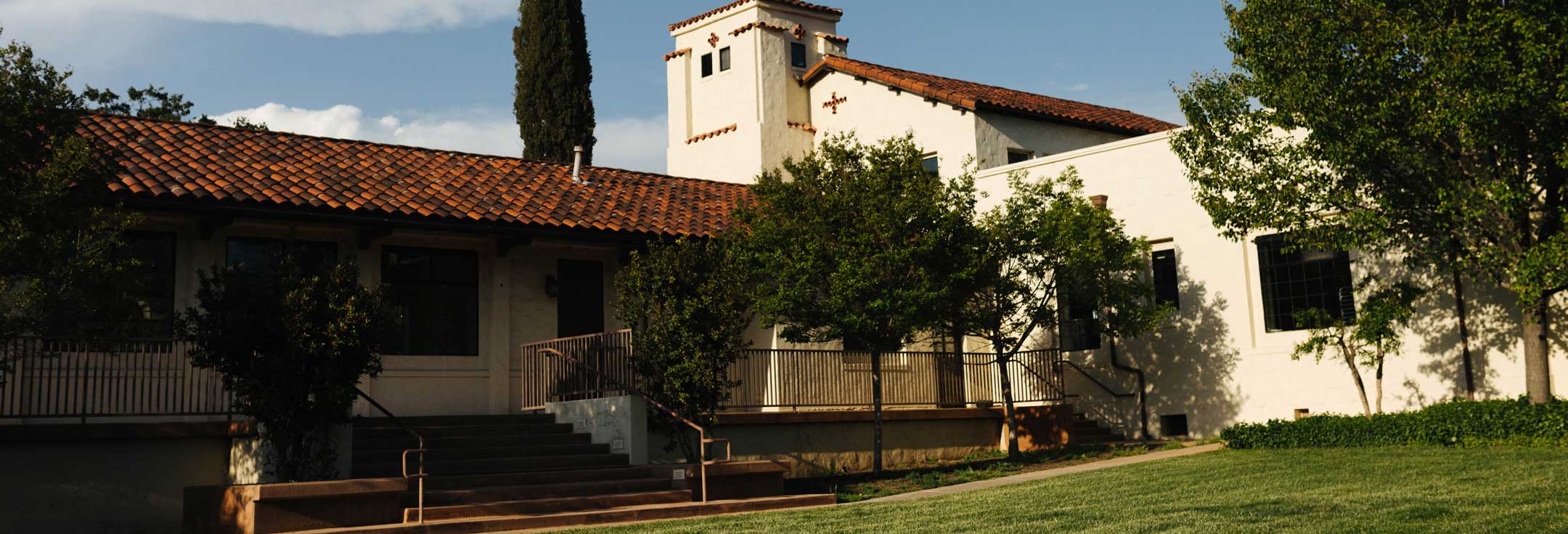
Mission-style tower and tiled rooftops of Villa La Paz above a landscaped lawn

Rooted in History. Alive in Community

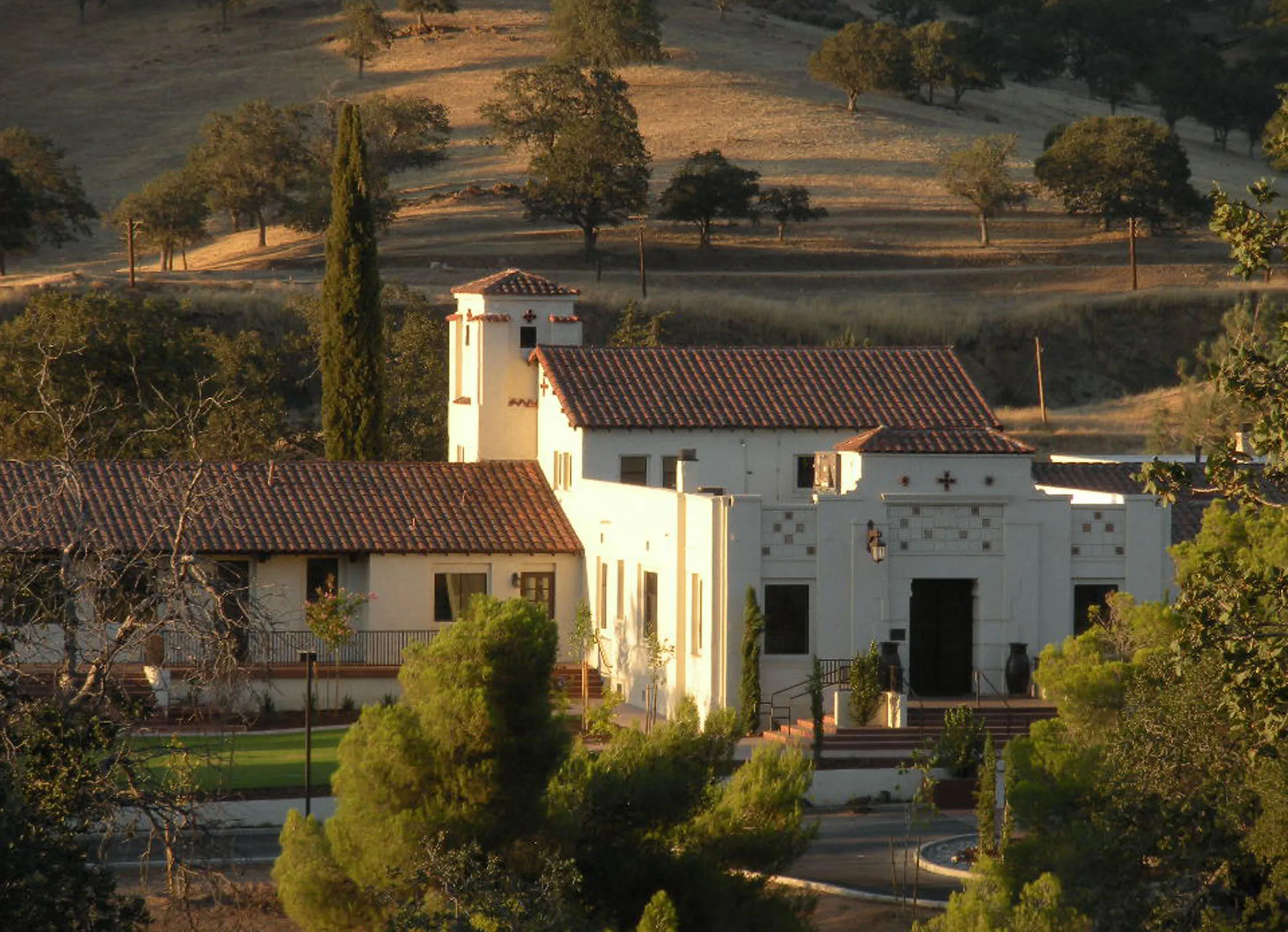
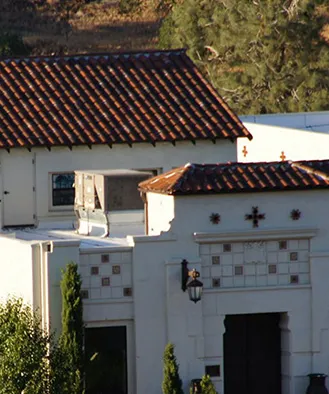
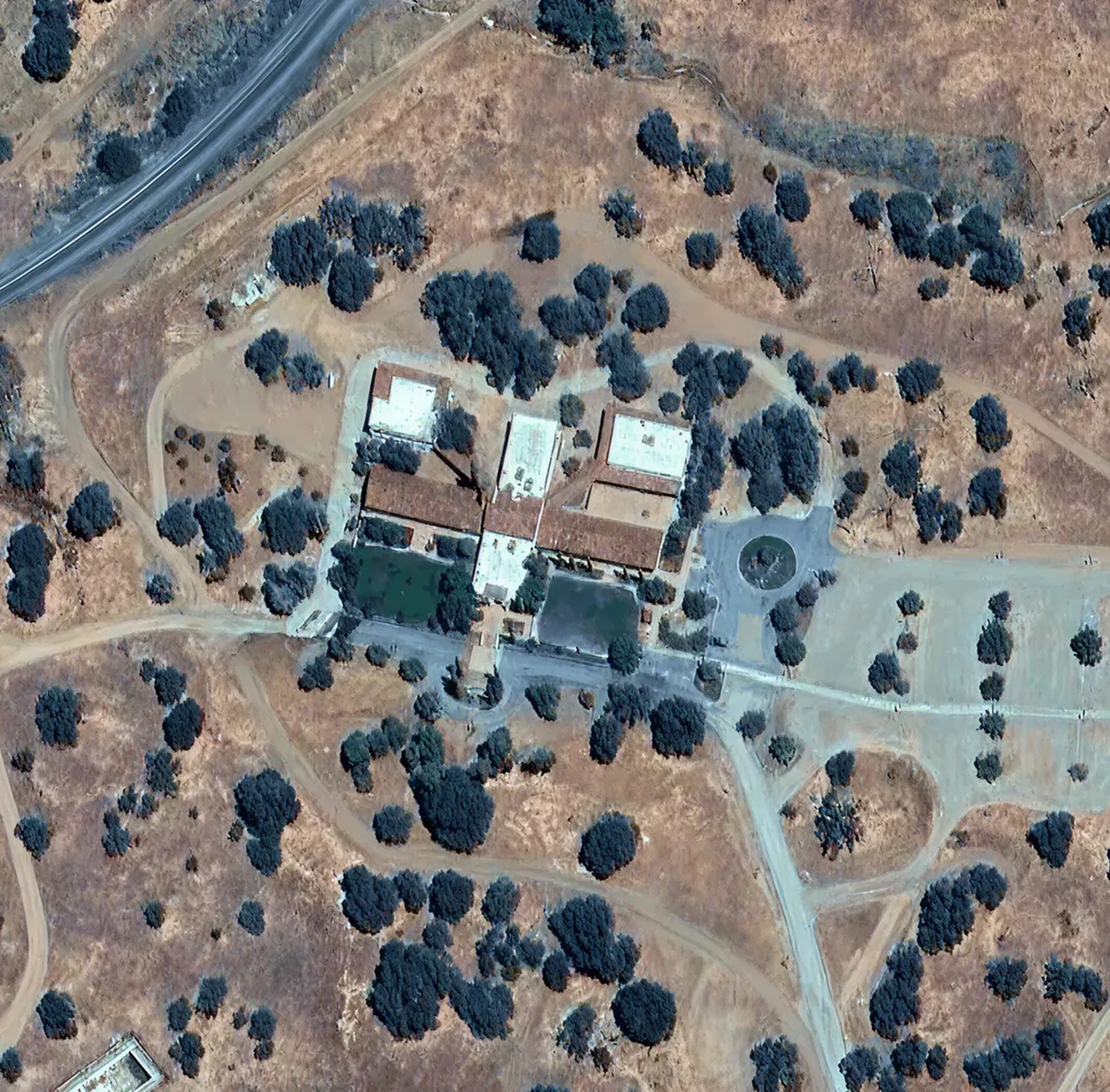
Set in the Tehachapi Mountains, Villa La Paz is a 17,000-square-foot mission-style property surrounded by oak trees and open landscape. The buildings carry the character of early-twentieth-century California architecture — white stucco walls, terracotta roof tiles, decorative tilework, and a central courtyard anchored by a stone fountain. A property with a meaningful place in California history, Villa La Paz today welcomes weddings, conferences, retreats, and gatherings within the National Chavez Center.

Explore Villa La Paz
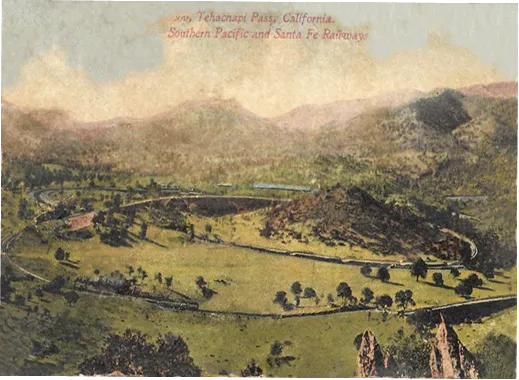
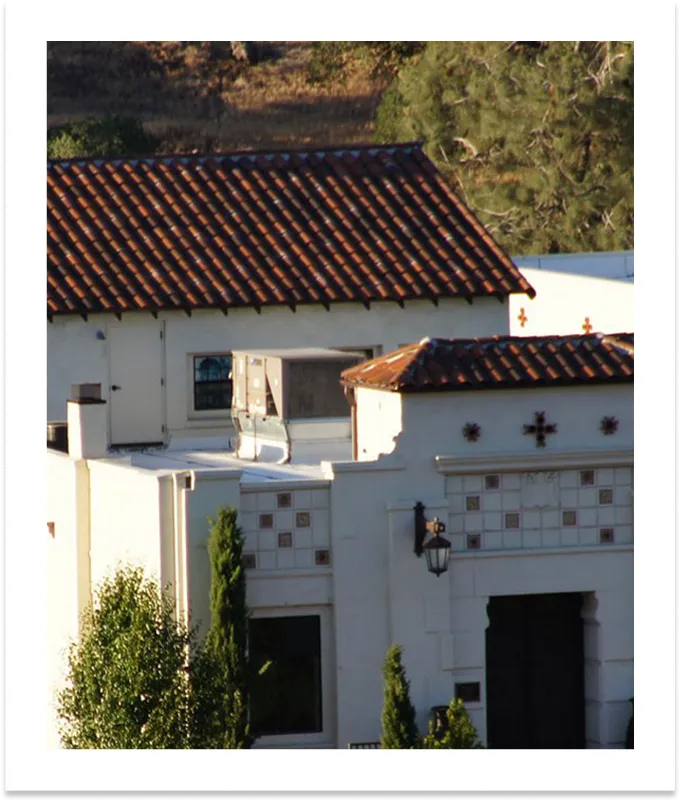
Vintage postcard of the Tehachapi Loop railway in Tehachapi Pass, CaliforniaRed tile roofs and cross details on the white stucco mission-style Villa La Paz buildingLarge gray pine cone hanging among pine needles

Time immemorial

The Tehachapi Mountains are the ancestral homeland of the Nuwä (Kawaiisu) people, who have lived here for thousands of years. Grinding stones on the property remain as evidence of their long presence.

1913

1918

1920

1967

1971

Late 20th century

Late 2000s–2010

2012

Today

Historic photo of a ranch house and corral beneath the Tehachapi Mountains near KeeneHistoric photo of a round stone structure on a brush-covered hillside near Keene, California

1913

The land was first developed by Kern County as a rock quarry in the foothills of the Tehachapi Mountains.

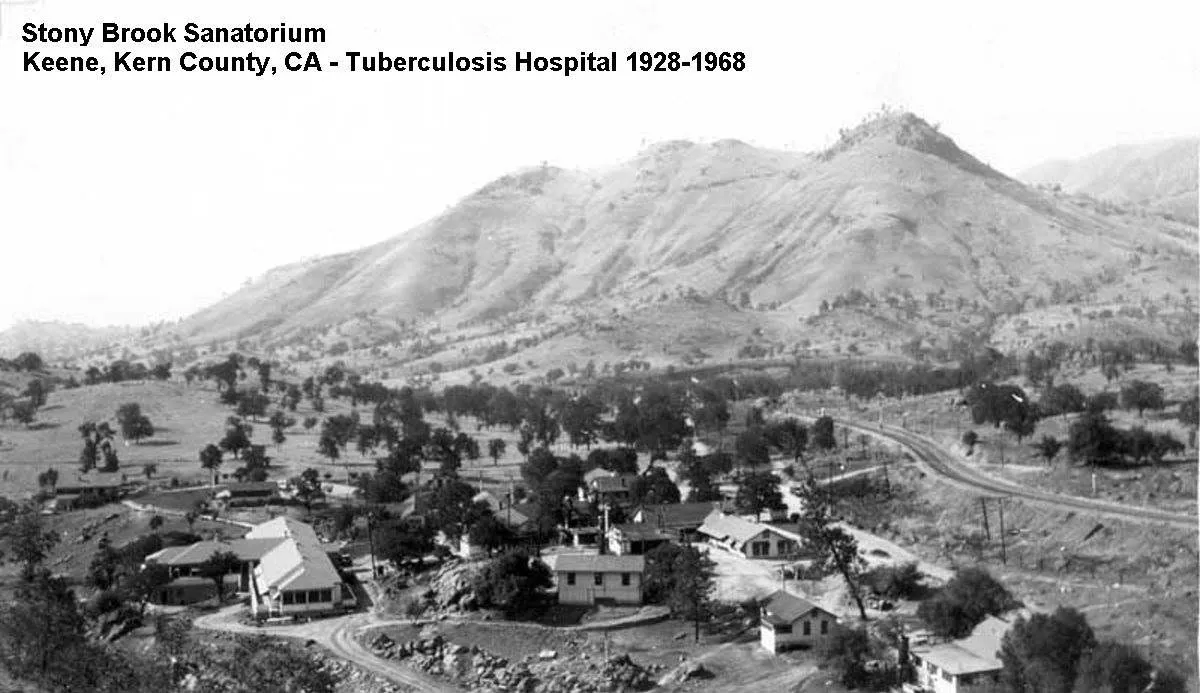
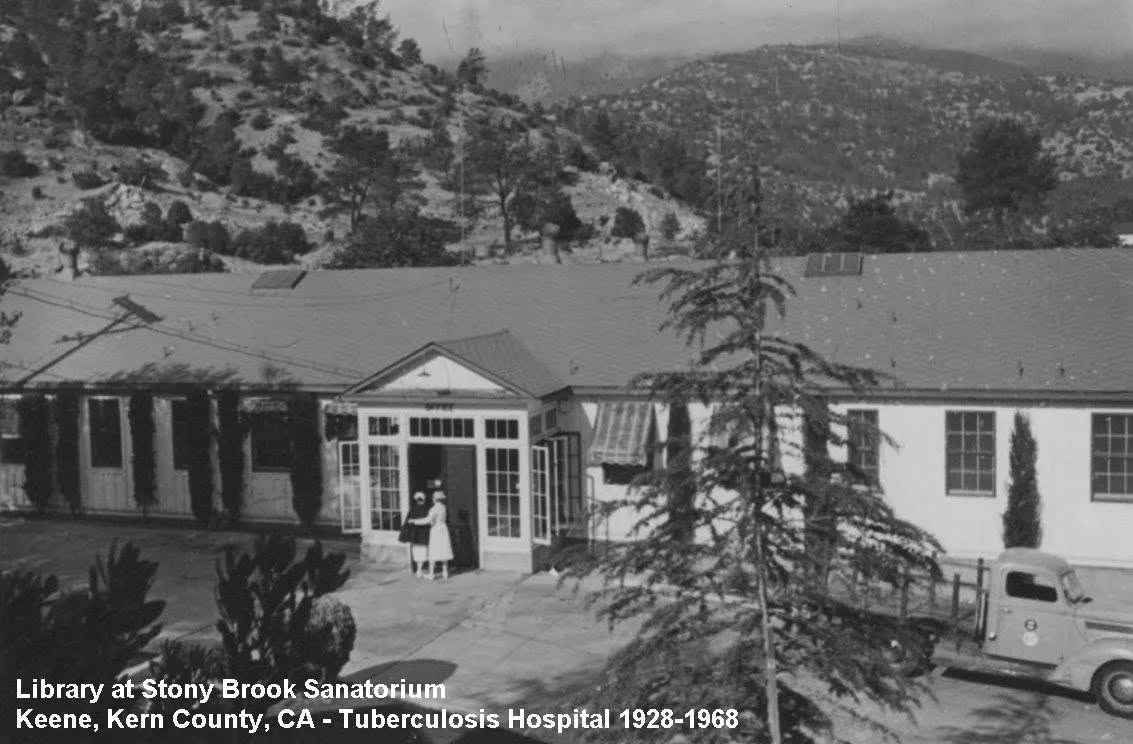
Historic black-and-white view of Stony Brook Sanatorium in the Tehachapi foothills of Keene, CaliforniaLibrary at Stony Brook Sanatorium tuberculosis hospital, Keene, California, 1942

1918

The quarry closed and the site was converted into a tuberculosis sanatorium known as Stony Brook Retreat
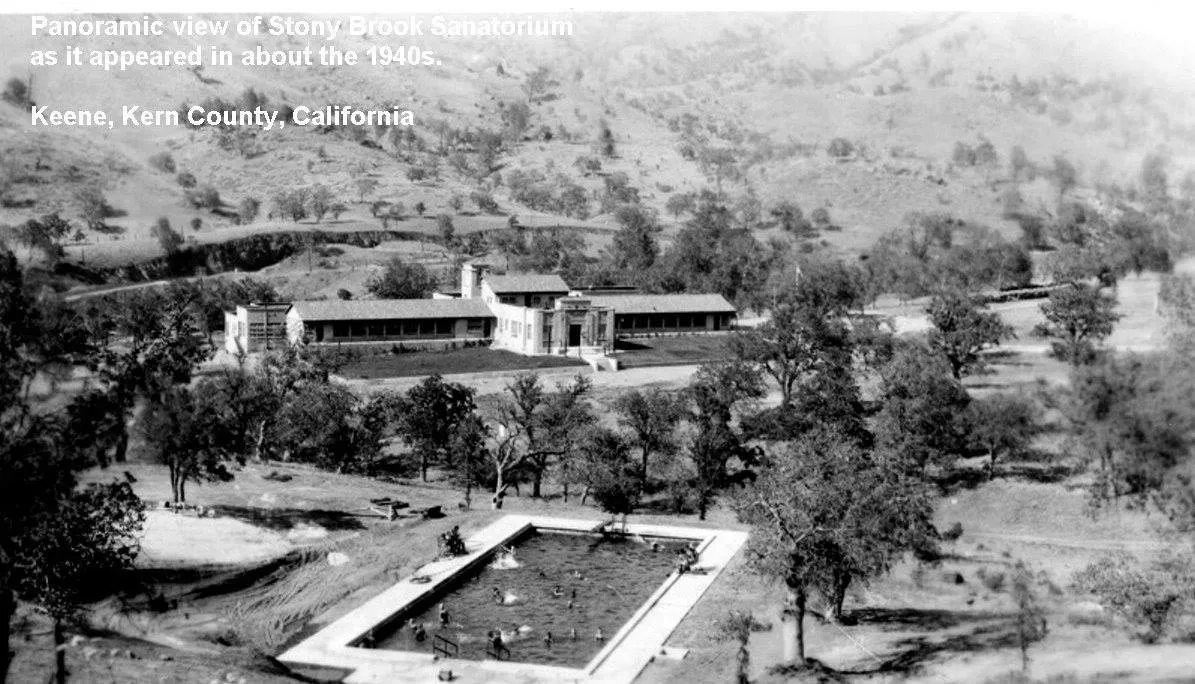
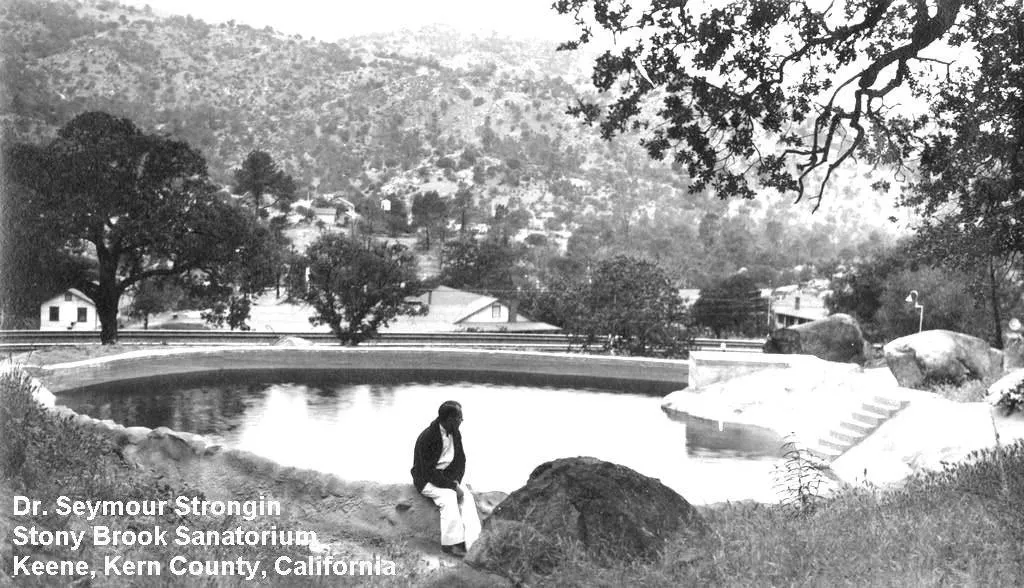
Panoramic 1940s view of Stony Brook Sanatorium and its swimming pool in Keene, CaliforniaDr. Seymour Strongin beside the swimming pool at Stony Brook Sanatorium, Keene, California, 1928

1920

Additional structures were added to the property, including the building that would later become Villa La Paz.
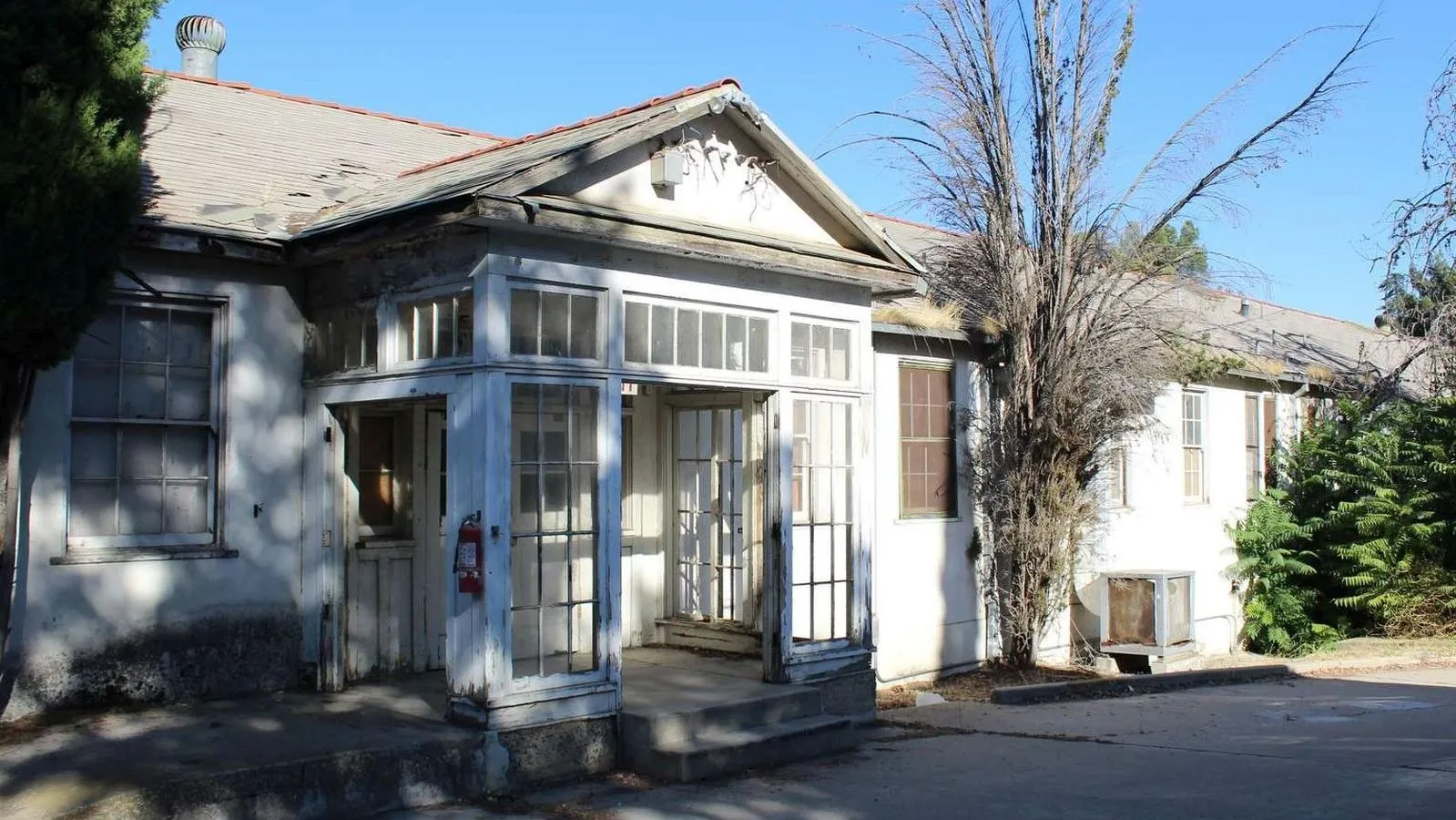
Historic Stony Brook Retreat sanatorium building with glass-paneled entry porch

1967

The sanatorium closed as tuberculosis treatments advanced and rural facilities were no longer needed.
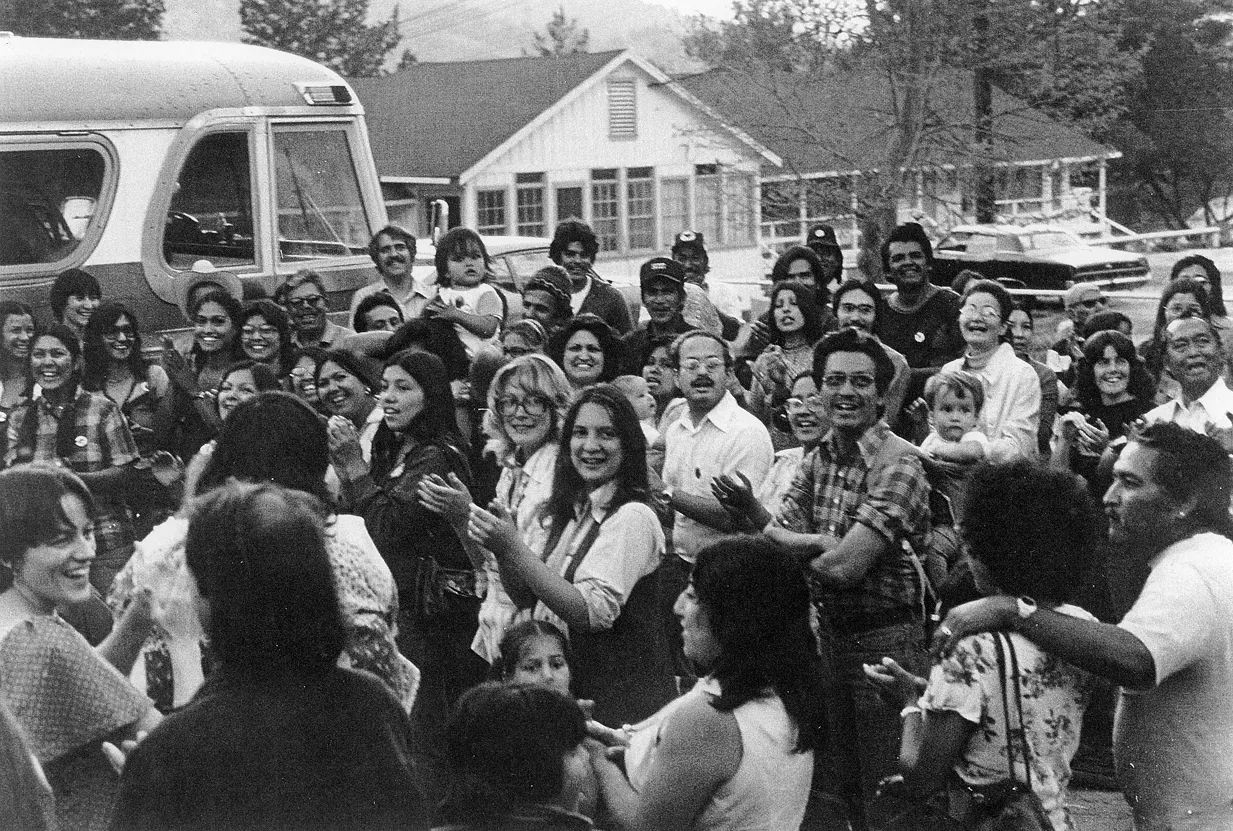
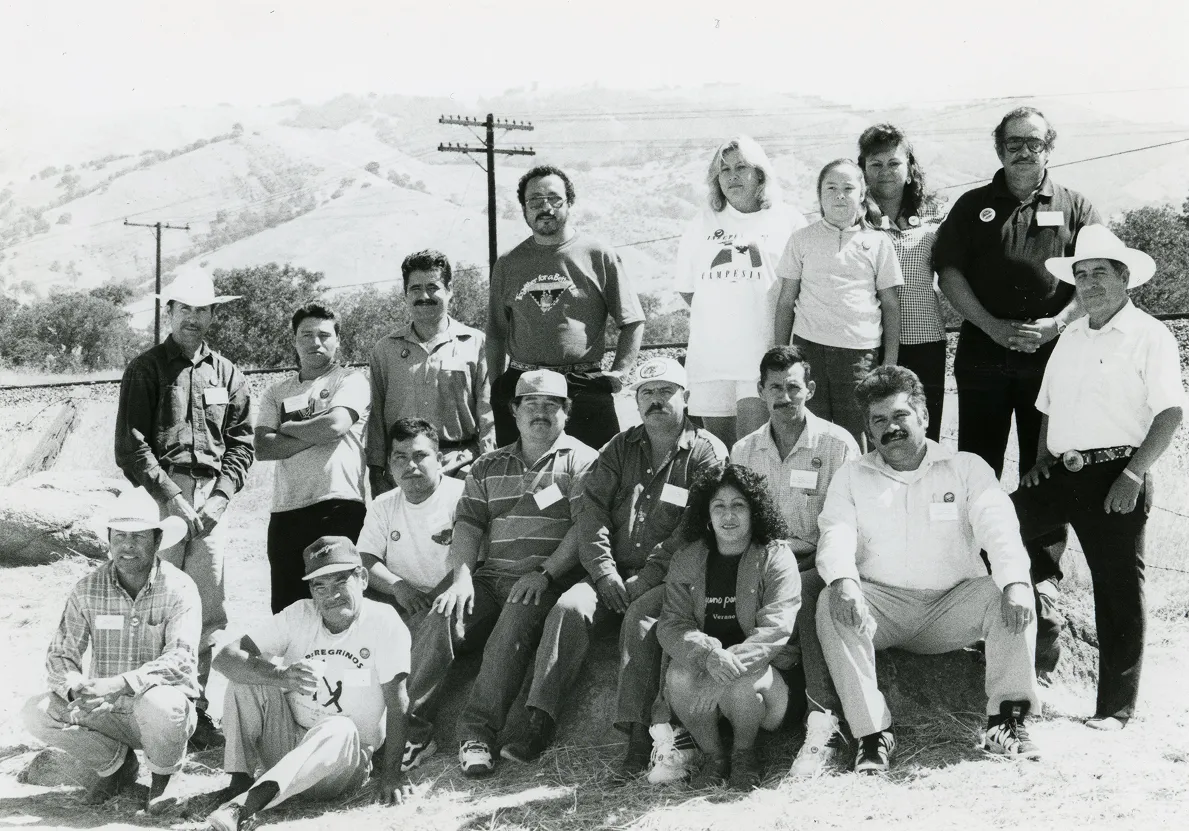
Farm worker families and supporters smiling and applauding beside a bus at La Paz, 1970s black-and-white photoHistoric black-and-white photo of United Farm Workers staff gathered outdoors at La Paz

1971

The property was acquired by the United Farm Workers and renamed La Paz.
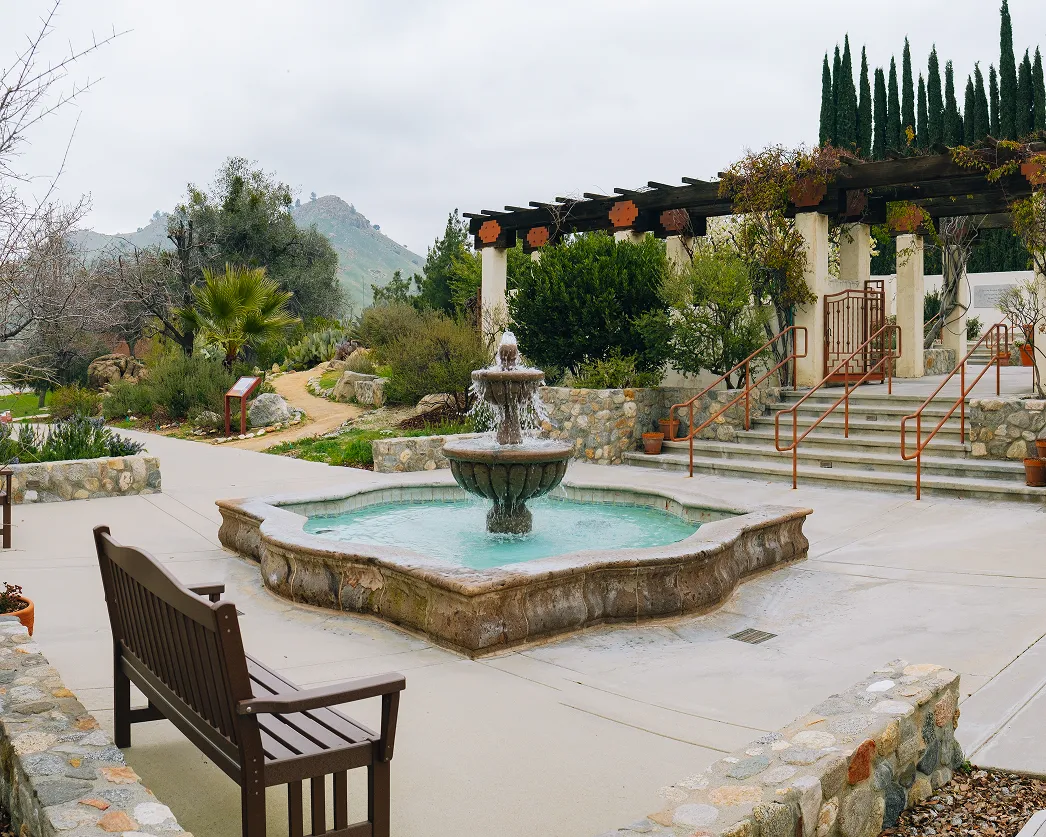
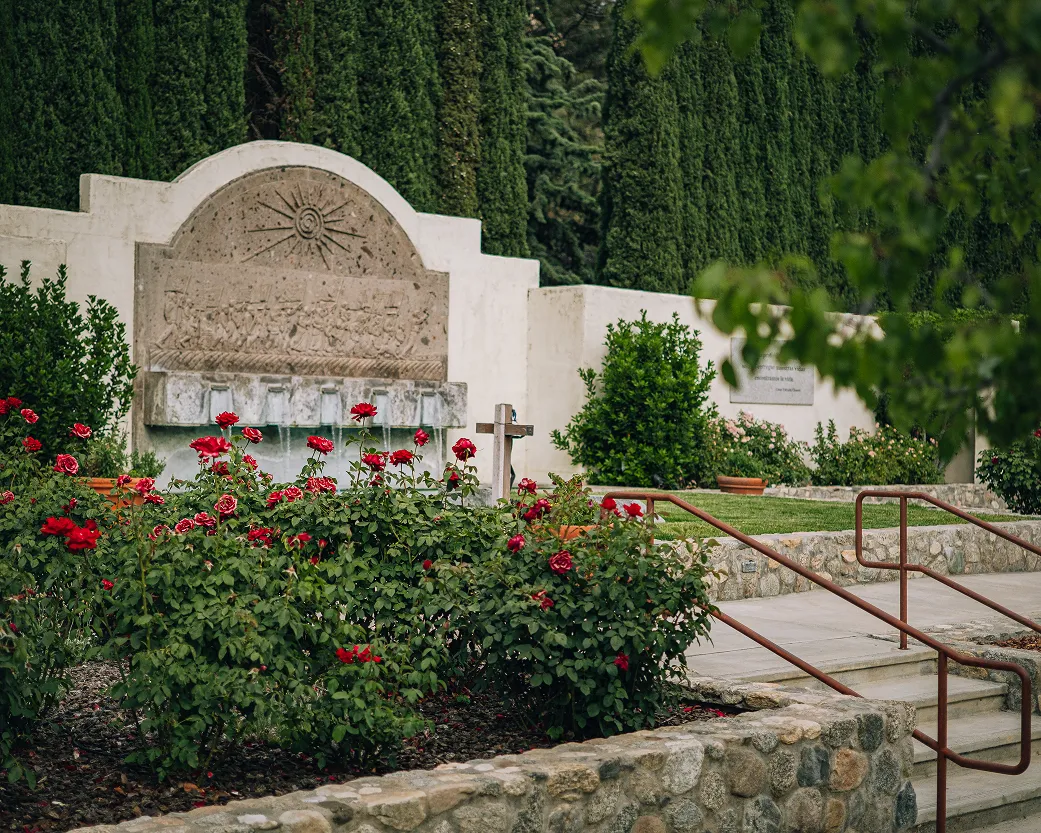
Stone fountain, garden bench, and pergola in the Villa La Paz courtyard with Tehachapi Mountain viewsRose garden and arched stone fountain at the César Chávez memorial garden, National Chavez Center

Late 20th century

The property continued in use as a gathering and retreat space in the Tehachapi Mountains.
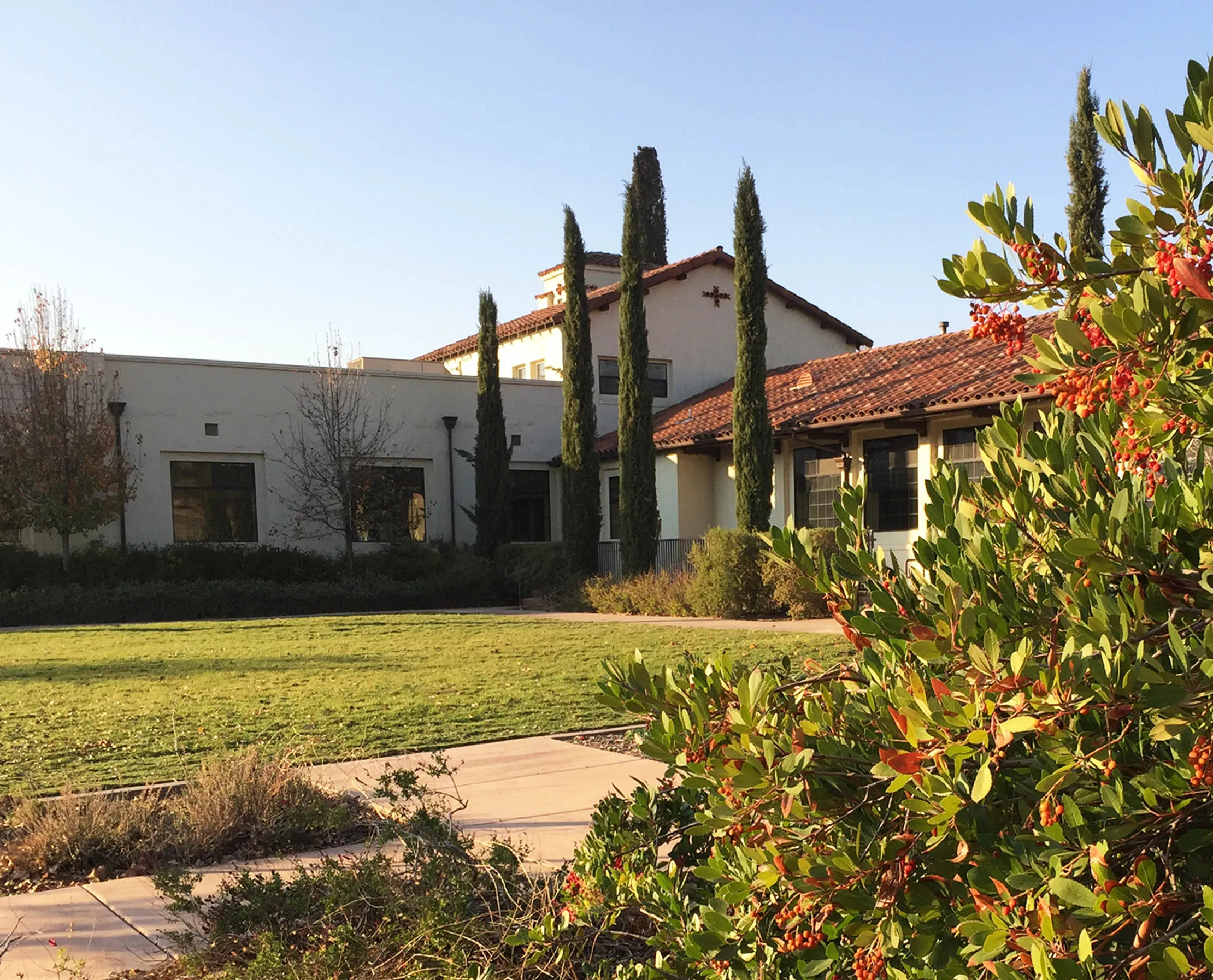
Villa La Paz mission-style building and lawn with red toyon berries in the foregroundVilla La Paz's white mission-style buildings and red tile roofs glowing at sunset in the Tehachapi foothills

Late 2000s–2010

The main building was renovated and reopened as the Villa La Paz Conference and Event Center, restored to host meetings, weddings, and community gatherings.
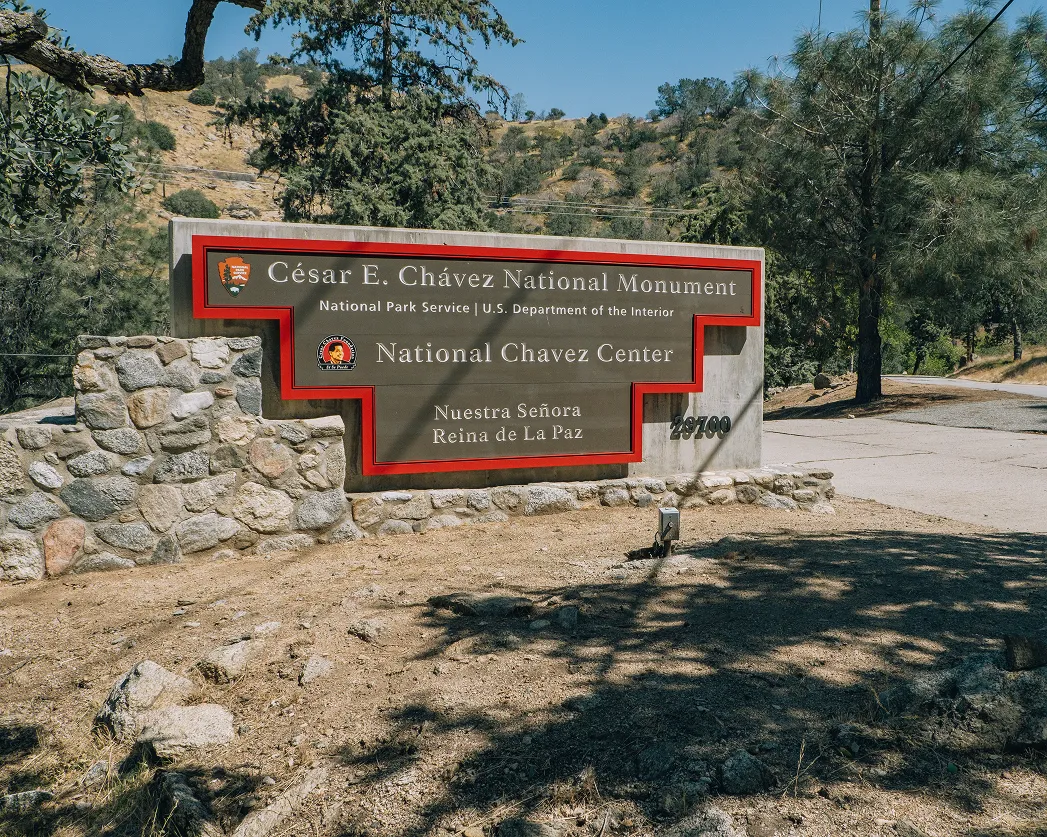
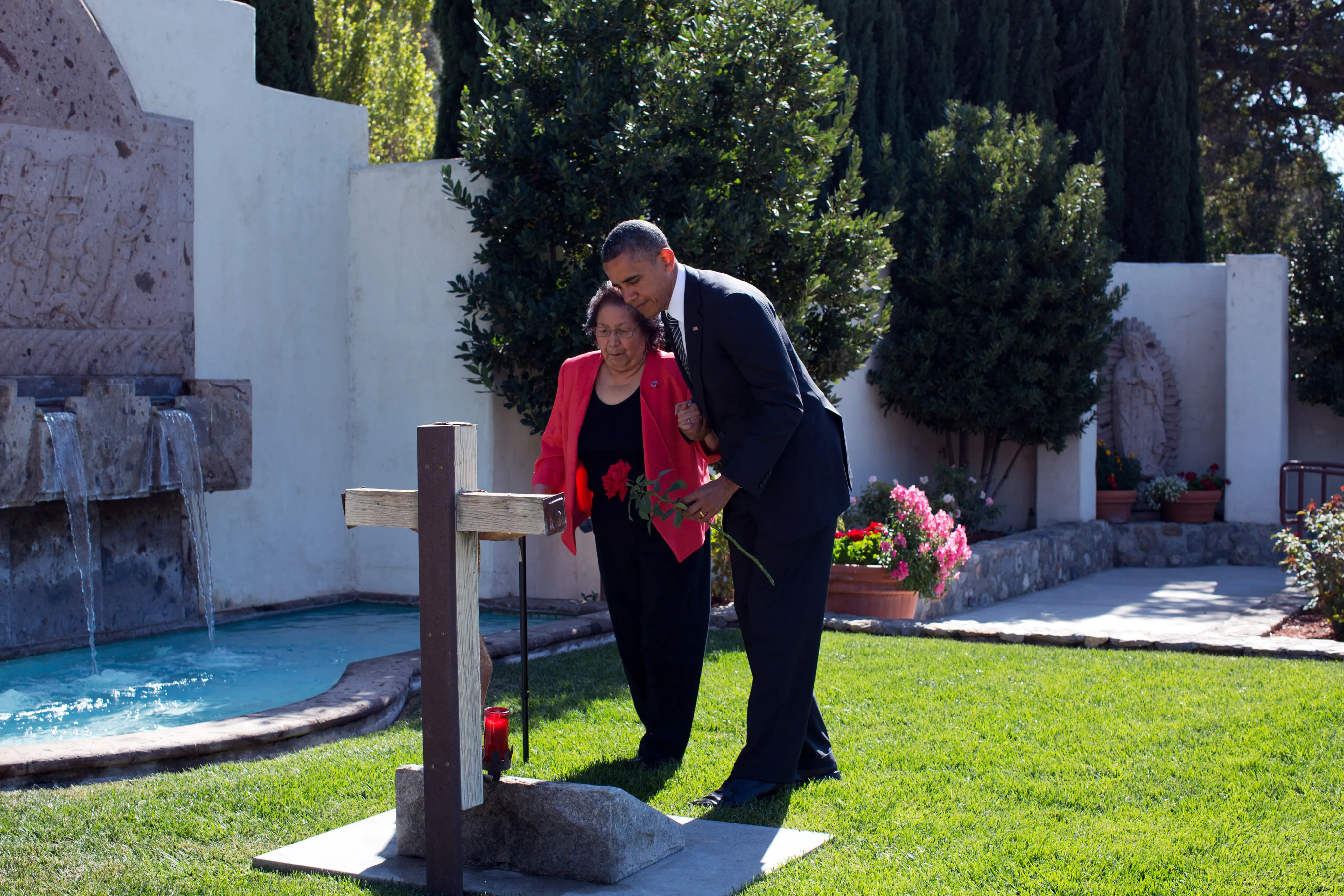
Entrance sign for the César E. Chávez National Monument and National Chavez Center in Keene, CaliforniaHelen Chávez and President Obama placing a rose at César Chávez's grave during the 2013 monument dedication

2012

The César E. Chávez National Monument was established on the adjacent grounds.
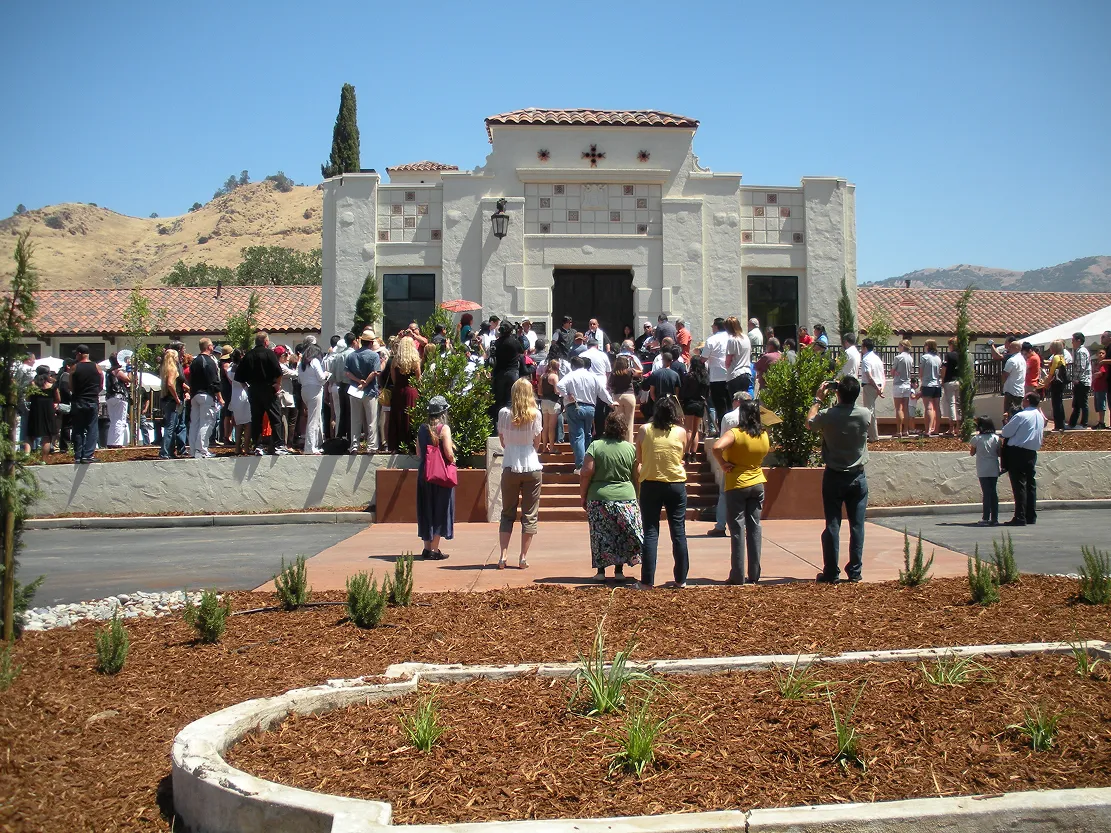
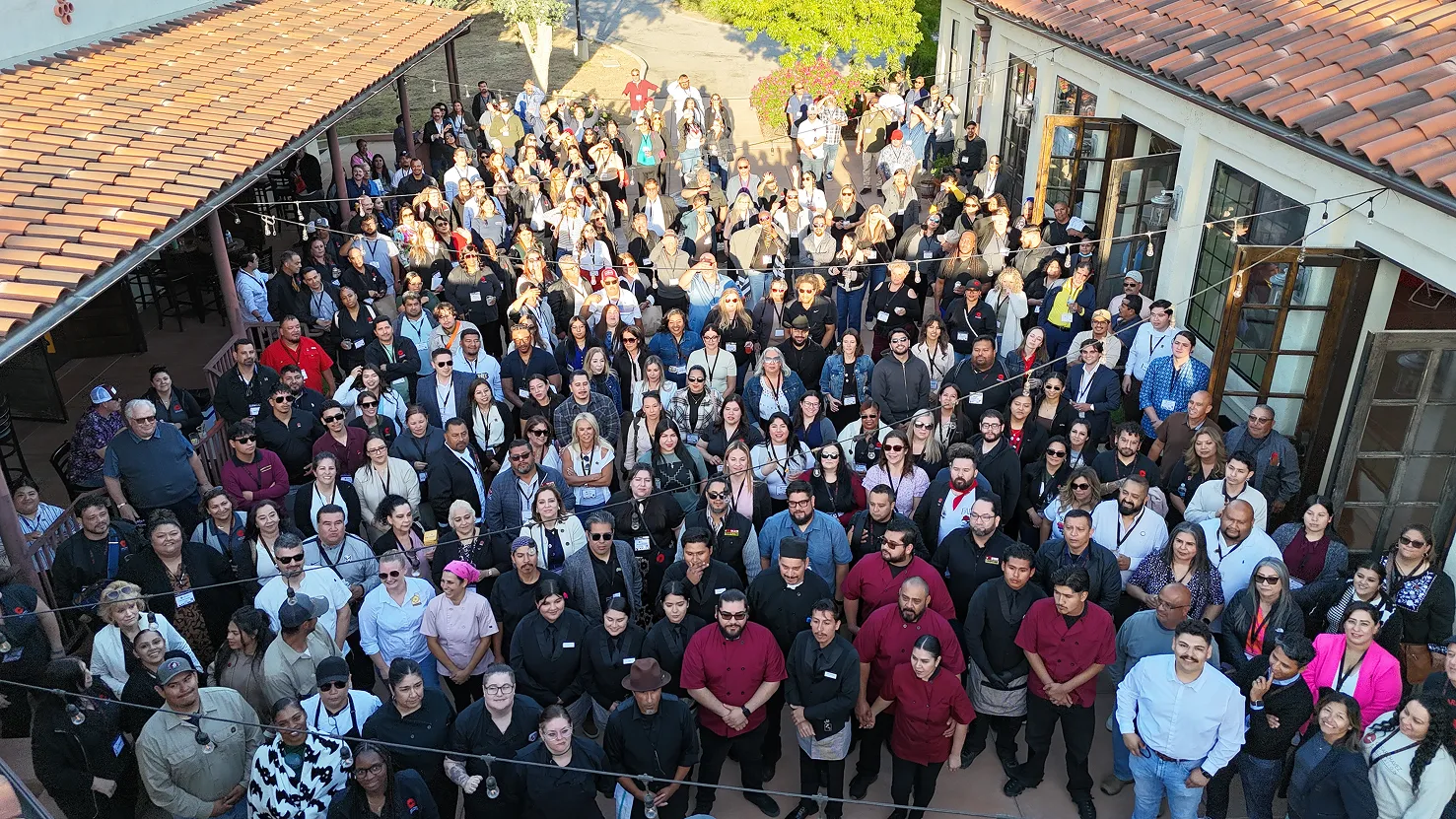
Crowd gathered outside the white mission-style Villa La Paz building beneath the Tehachapi hillsLarge group of guests gathered in the tiled courtyard at Villa La Paz

Today

Villa La Paz serves as a place where people gather — for weddings, conferences, retreats, and community events — within the 187-acre National Chavez Center.